TL;DR
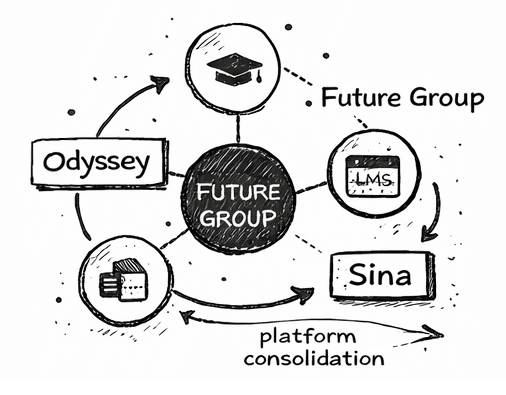
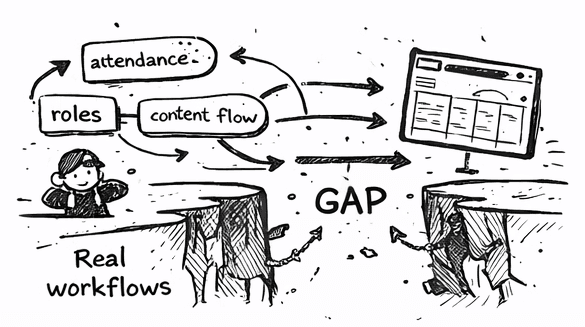
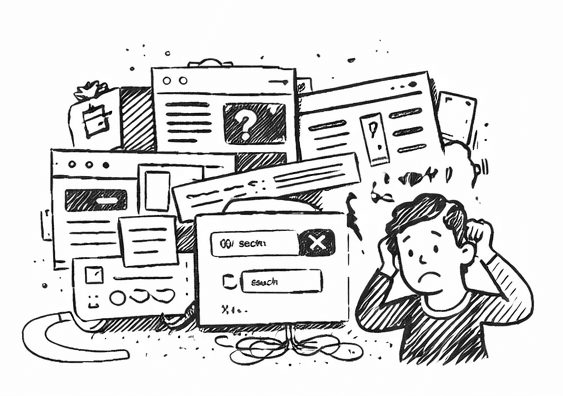
Following neuefische-Spiced's merger with a French peer company, leadership wanted to consolidate onto a single platform. I mapped our coaches' real workflows against the partner's system to assess feasibility. My gap analysis revealed that poor UX design was directly causing operational inefficiencies—coaches were compensating with manual workarounds across 6+ tools. I reframed the decision: migrate as-is and inherit those problems, or use the merger as a catalyst to invest in fixing the platform's UX debt first.
Curious? Scroll down for the details…
The Challenge
navigating a merge
When neuefische-Spiced (Germany) merged with its French counterpart, leadership faced a critical decision: consolidate both organizations onto a single platform stack or maintain parallel systems indefinitely. The French side operated on Odyssey/Sina; NF-Spiced had built custom LMS/TMS tools tailored to their coach-led cohort model.
The stakes were high: a failed migration would disrupt operations for hundreds of coaches and students, while maintaining dual systems would perpetuate inefficiency and slow integration.
Leadership needed to know: Could Odyssey realistically support NF-Spiced's workflows without breaking them?
role scope
Senior Product Designer & Service Designer
Sole IC reporting to CPO of merged company
Collaborated with Odyssey/Sina's PM, designer, and lead engineer
Constraints Navigated
Limited engineering bandwidth during merger
Unclear ownership and leadership restructuring
Communication gaps across distributed teams
my strategic approach
what would it take, is it worth it?
As the sole Senior Product Designer reporting to the CPO, I reframed the question from "Can we migrate?" to "What would it take to migrate successfully—and is it worth it?"
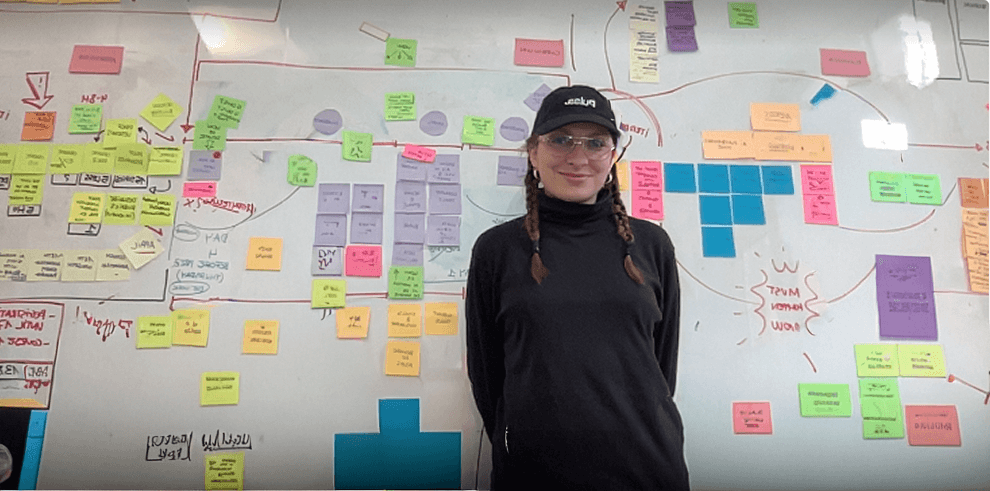
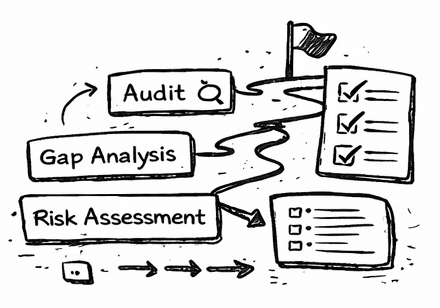
Rather than conducting a surface-level UI comparison, I treated this as a service design problem: I mapped the lived reality of NF-Spiced coaches against Odyssey's current capabilities to surface hidden risks and strategic opportunities.
The insight that shaped my approach: Platform adoption isn't just about feature parity—it's about whether the system supports or sabotages real workflows.
"
..adoption isn't just about feature parity — it's about whether the system supports or sabotages real workflows.
the way forward
the strategic reframe
Rather than deliver a simple "yes/no" feasibility verdict, I repositioned the merger as a catalyst for strategic investment:
The problem wasn't whether to migrate—it was whether leadership was willing to fix Odyssey's UX debt as part of the consolidation.
I framed two paths forward:
Migrate without redesign → Transfer NF-Spiced's proven workflows into a broken system, increasing coach workload and fragmenting operations further.
Use the merger to rebuild → Treat consolidation as an opportunity to invest in Odyssey's UX overhaul, aligning both organizations on stronger foundations and unlocking strategic benefits:
Faster freelance coach onboarding (a key growth direction for NF-Spiced)
Reduced context-switching saving coaches hours weekly
Scalable evaluation workflows cutting manual redundancy
Why This Matters
UX Strategy for Organizational Changes
This project demonstrates how UX strategy in mergers goes beyond usability—it becomes a lens to reveal operational risks and enable better decision-making.
In high-stakes organizational change, design isn't just about making interfaces pretty. It's about:
Translating user friction into business risk
Bridging operational reality with platform capabilities
Reframing technical decisions as strategic investments
My comparative approach gave leadership the evidence to avoid a costly mistake—and showed how design can de-risk tool consolidation during organizational turbulence.
reflection & key learning
success, sometimes, is knowing when to stop
Hello, sunk-cost fallacy bias, my old friend…
Sometimes the most valuable design work is showing stakeholders what not to build—and why investing in the right foundation matters more than moving fast.
2026 all rights reserved
Made with love by yours truly